Roof Leak Repair and Detection in Naples, Florida
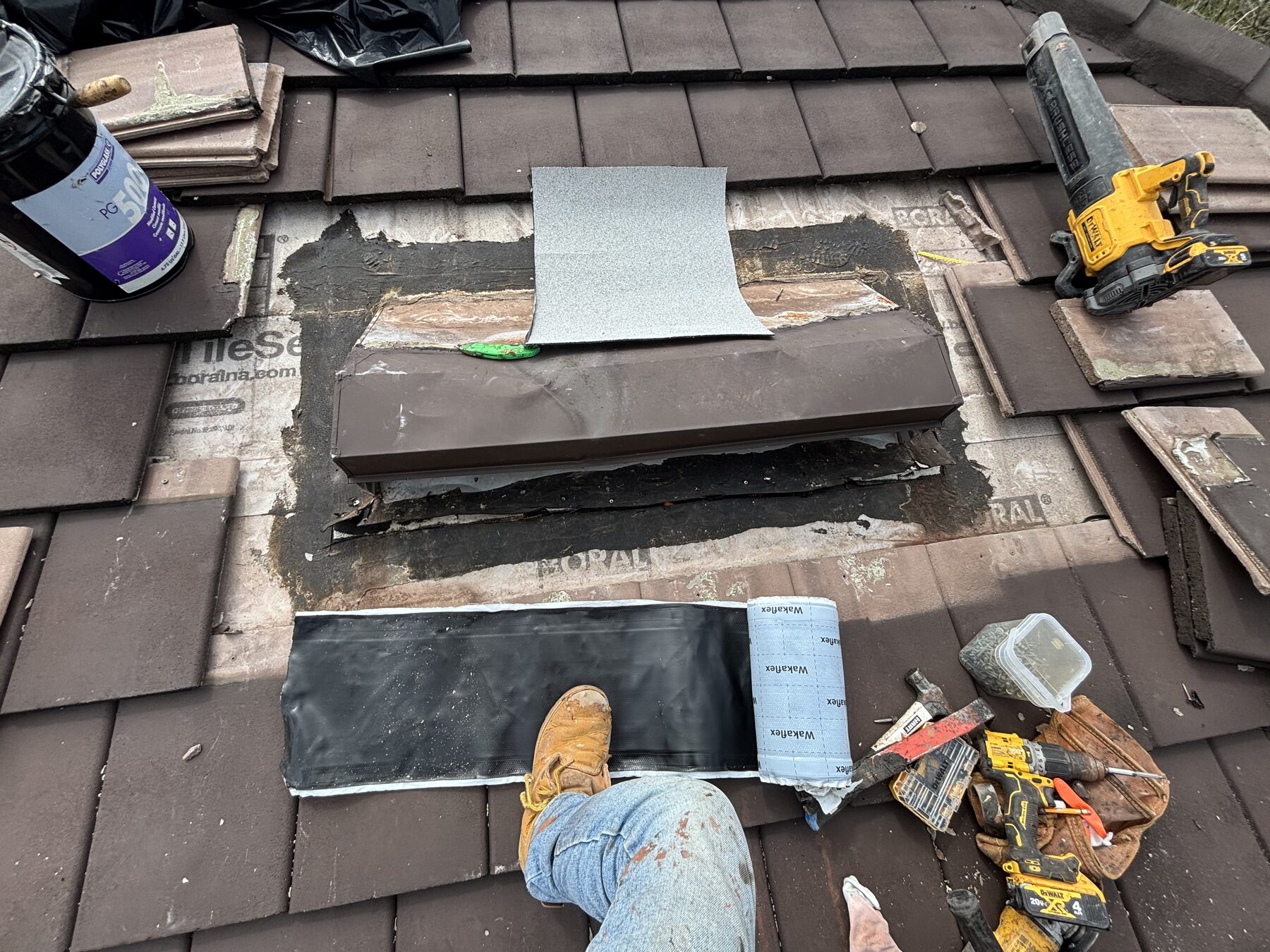
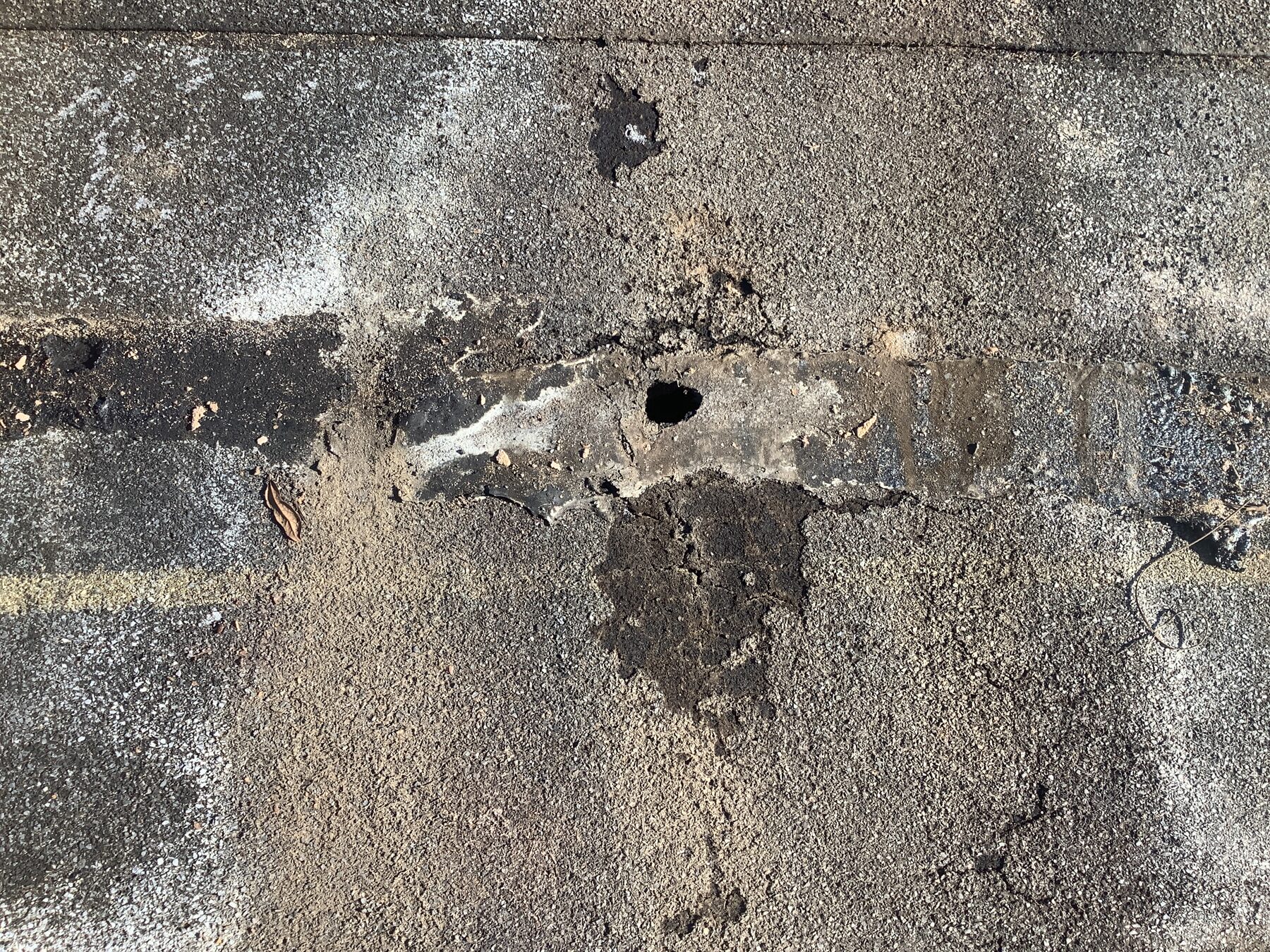
A leak is the most common reason a homeowner in Southwest Florida calls a roofer, and it is the job most likely to be done badly. C&C Home Solutions specializes in finding where water is actually entering a roof and correcting that, rather than sealing whatever looks suspicious near the stain and hoping. Corey Christiansen has traced leaks on tile, shingle, metal, and flat roofs across Collier and Lee County for over a decade. Call (239) 537-1649.
Why the Leak Is Almost Never Where the Stain Is
Water does not fall straight down through a roof. It gets through the covering at one point, lands on the underlayment or the decking, and then runs. It follows the slope of the deck, travels along rafters and truss chords, wicks across insulation, and finally drops through the ceiling at the lowest or weakest point it reaches.
The practical result is that the stain on your ceiling can be many feet away from the actual entry point, and often on a different part of the house entirely. A leak that shows up over a hallway can originate at a vent boot near the ridge. This is why sealing the roof directly above the stain so often fails. The homeowner pays, the next storm comes, and the stain grows.
Finding the entry point is a diagnostic job, not a guessing job, and it is the part of leak work that separates a repair that lasts from one that does not.
The Places Naples Leaks Usually Start
Experience narrows the search considerably. In this market, most leaks trace back to one of a handful of origins.
Pipe boot flashing around plumbing vents is the single most common. The rubber collar cracks under UV exposure and water goes straight down the pipe penetration. Skylight curbs and their surrounding flashing come next. Then wall and step flashing where a roof meets vertical stucco or siding, which is extremely common on Southwest Florida homes with additions and lanais. Then valleys, especially when packed with debris that dams water and forces it sideways under the covering. Then low slope and flat sections where water ponds and finds the smallest membrane defect. On tile roofs specifically, a slipped or cracked tile that exposes aging underlayment is a frequent source, and the tile can look perfectly fine from the driveway.
How We Find a Leak
The process starts inside. Corey looks at where the water is presenting, how much, and under what conditions, because a leak that only appears in wind driven rain points somewhere different than one that appears in any heavy rain.
From there the inspection moves to the roof, starting at the most likely origins for those conditions and working outward. On tile roofs that means checking individual tiles and the underlayment beneath any that have moved. On flat sections it means probing the membrane at seams, penetrations, and terminations. On any roof it means a close look at every flashing detail in the area above the interior stain, even when the stain and the flashing are not in an obvious line.
Where standard visual inspection is not conclusive, thermal imaging is the next tool. A thermal camera reveals moisture trapped inside the assembly that has no visual signature, which matters most on flat roofs where water travels laterally inside saturated insulation.
Leak Repair After the Source Is Found
Finding the leak is step one. The repair follows directly, and it addresses the actual source rather than the symptom.
If the entry point is a failed pipe boot, the boot is replaced. If it is a flashing detail, the flashing is corrected properly rather than sealed over. If underlayment beneath a tile area has deteriorated, the tile is lifted, the underlayment is addressed in the affected section, and the tile is reset. The repair is documented with photos before and after.
Corey also checks the surrounding area before closing anything up, because a leak that was the first to show itself is often not the only developing problem nearby.
Roof Leak Repair FAQs
Frequently Asked Questions
My ceiling stain is in the middle of the room. Does the leak come from directly above?
Almost never. Water enters the covering at one point and travels along rafters, decking, and insulation before it comes through the ceiling. The stain and the entry point are often on different parts of the roof.
The leak only happens in certain storms. What does that mean?
A leak that only appears in wind driven rain points to a different source than one that happens in any hard rain. It usually means a flashing detail or a lap that sheds vertical water but admits water arriving at an angle. That narrows the search considerably.
Can you find a leak without rain?
Often yes. Many leaks are detectable by visual inspection and by probing flashing details on a dry roof. For intermittent or elusive leaks, thermal imaging is the most reliable dry weather diagnostic tool, particularly on flat and low slope sections.
I had the roof sealed near the stain and it still leaks. Why?
Because the seal was applied at the wrong place. The entry point is almost certainly elsewhere, and sealing above the stain addresses a location the water was never entering from. Finding and correcting the actual source is the only repair that holds.
Does a ceiling stain mean mold?
A single event and a dry stain may not produce mold, but a recurring or ongoing leak in a Florida attic or wall cavity is a mold risk. Warm humid conditions plus a persistent water source are exactly what it needs.
Does insurance cover roof leak repair?
It depends on the cause. Sudden damage from a storm event is often covered, while gradual wear and deferred maintenance generally is not. We document what we find with photos either way so you have what you need to file.
Can a leak cause mold in a Florida home?
Yes. Warm humid conditions inside an attic or wall cavity with a persistent water source are ideal for mold growth. That is one of the main reasons we push homeowners to address leaks early rather than through another wet season.