Roof Cleaning and Maintenance in Naples, Florida
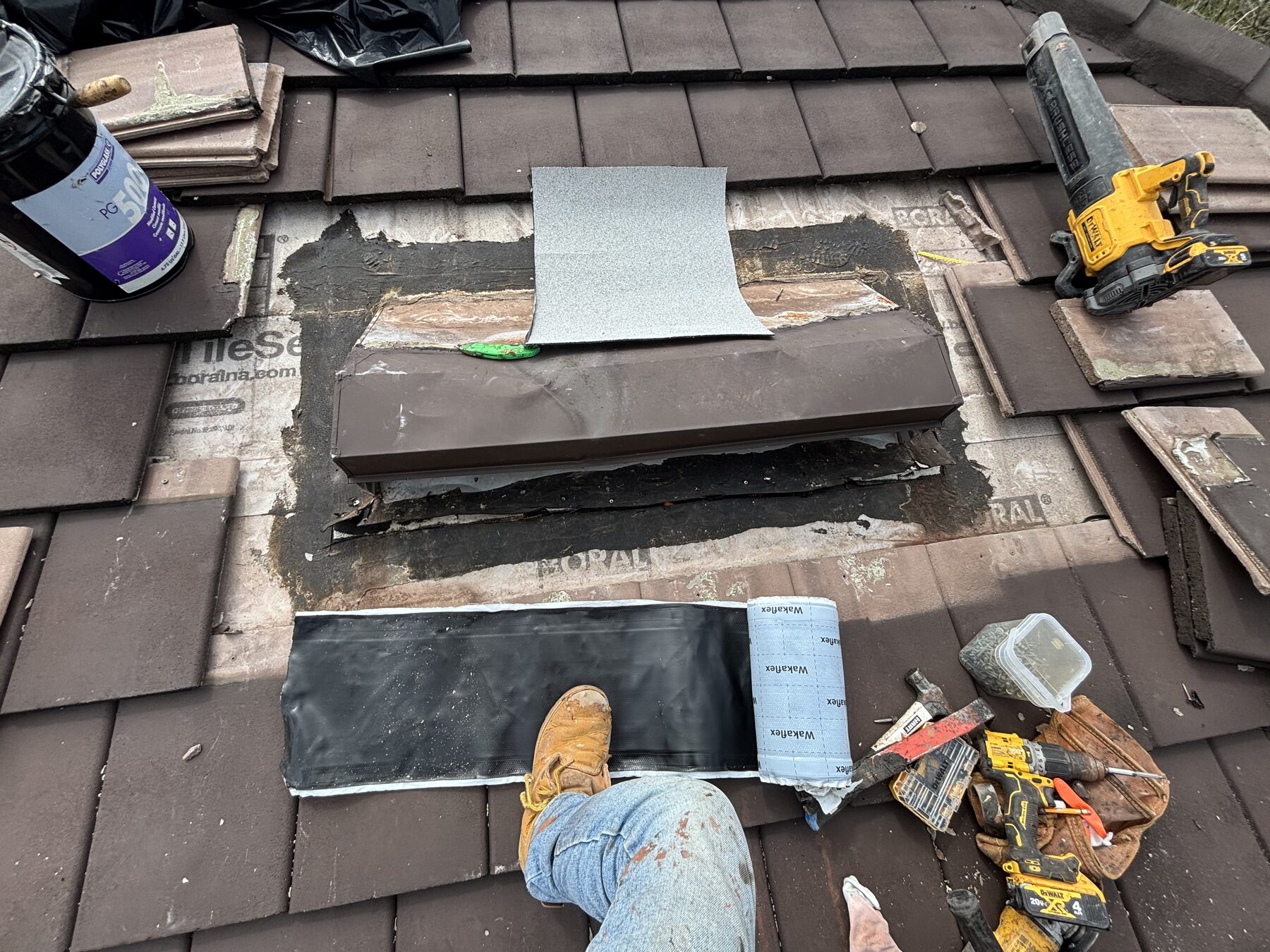
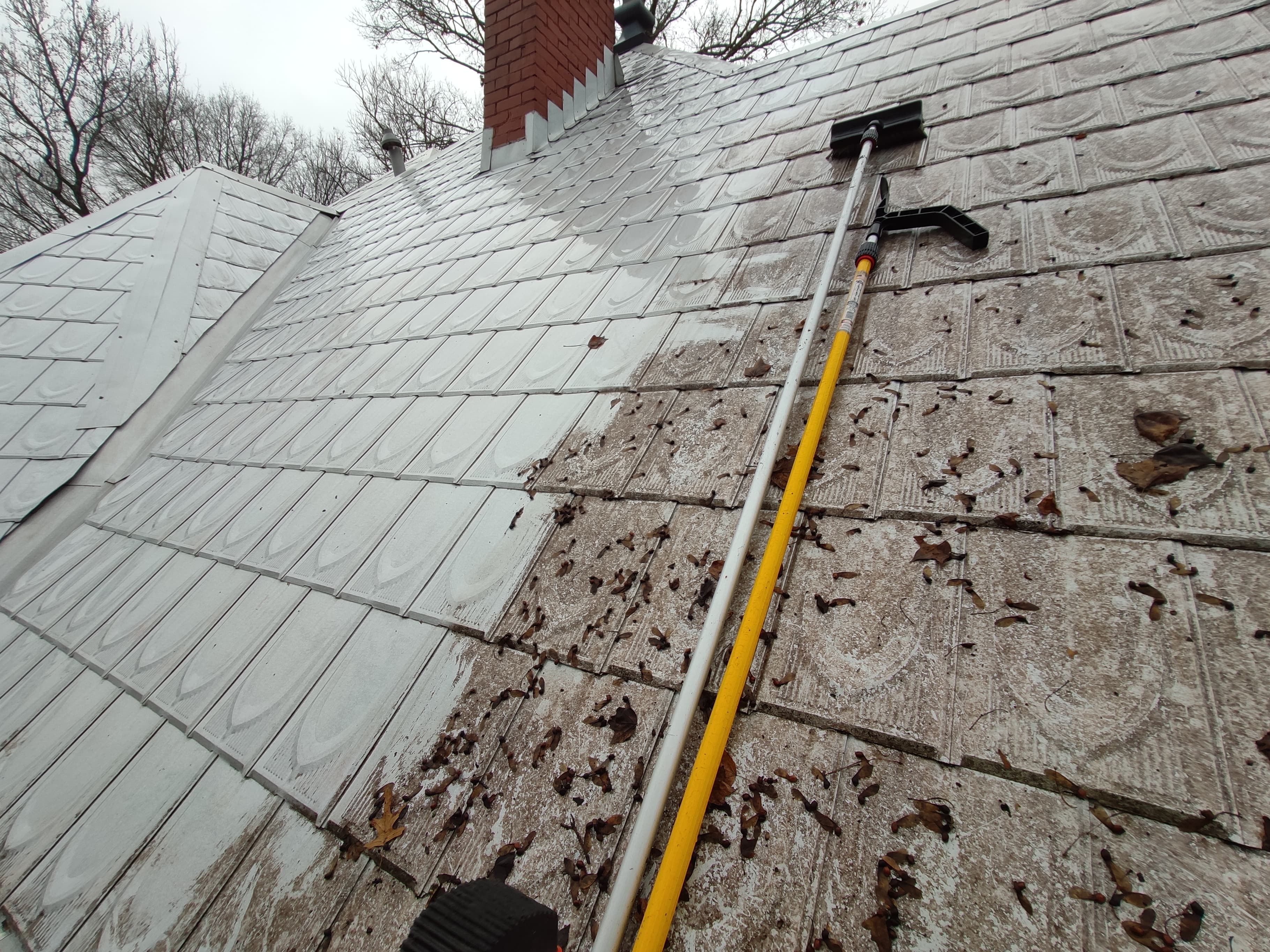
Drive through almost any neighborhood in Collier County and you will see roofs with dark streaks running down them. That growth is not just a curb appeal problem, and the method used to remove it determines whether the roof comes out of the process better or worse. C&C Home Solutions cleans and maintains roofs across Naples and Southwest Florida using low pressure soft washing, never pressure washing. Corey Christiansen does the work. Call (239) 537-1649.
What Those Dark Streaks Actually Are
The black streaking on Southwest Florida roofs is almost always algae, most commonly a blue green algae called Gloeocapsa magma. It is not dirt, and it does not wash off with rain, which is why it keeps spreading season after season.
It thrives on exactly what this region provides: heat, humidity, and frequent rain. Near the coast, salt in the air accelerates it further, which is why roofs in the coastal communities often show growth sooner and heavier than comparable roofs a few miles inland.
Alongside algae you get moss and lichen, which behave differently. Algae is largely a surface organism. Moss and lichen root into the surface, hold moisture against the material, and cause real degradation over time. Lichen in particular bonds tightly to tile coating and does not come off easily or harmlessly.
The reason to care beyond appearance is that biological growth traps moisture on the roof surface. Constant moisture accelerates material breakdown, and on some products it can affect warranty coverage.
Why We Soft Wash and Never Pressure Wash
This is the single most important thing on this page.
Pressure washing a roof in Southwest Florida causes damage. On tile it cracks tile outright and shatters the brittle mortar at ridges and hips. On shingle it strips the granules that protect the mat from UV, which takes years off the roof's life in an afternoon. On any roof it drives water up under the covering and past the underlayment, which is the exact thing a roof is designed to prevent.
Soft washing uses low pressure combined with a cleaning solution that kills the growth at the root. The solution does the work rather than the force. The growth dies, rinses away, and takes longer to return because the roots were treated rather than the surface being blasted.
If a company quotes you roof cleaning and the word pressure appears anywhere in the description, get a second opinion before letting them on your roof. We have been called out to repair roofs damaged by cleaning more than once.
Protecting Everything That Is Not the Roof
Soft washing involves a solution, which means the landscaping, pool cage, screens, driveway, and painted surfaces below the roof all need protection.
That means pre wetting plants and beds with fresh water before the application, keeping them wet through it, and rinsing thoroughly afterward. It means covering what needs covering and being deliberate about runoff paths. On Southwest Florida properties, where landscaping is often extensive and expensive, this is frequently the most careful part of the day.
It is also the part that gets skipped by operations working on volume. Dead landscaping after a roof cleaning is a common and completely avoidable outcome.
How Often Naples Roofs Need Cleaning
For most inland properties, a cleaning every two to three years keeps growth under control.
Coastal properties are on a shorter cycle. Salt air, higher humidity, and heavier growth pressure mean roofs near the water often need attention every eighteen months to two years to stay ahead of it. Roofs with heavy tree shade also run shorter cycles, because shaded areas stay damp longer and growth establishes faster there.
The practical marker is not the calendar. When streaking becomes clearly visible from the street, the growth is well established and it is time. Getting to it before moss and lichen take hold is meaningfully cheaper and easier than dealing with them after.
Roof Ventilation and Roof Life
Ventilation is the part of roof maintenance that almost nobody thinks about and that quietly determines how long a Southwest Florida roof lasts.
A roof in this climate without adequate ventilation traps heat in the attic. Attic temperatures without ventilation can exceed 160 degrees on a summer afternoon. That heat load bakes the underside of the decking and the roof covering from below while the Florida sun does the same from above. Material ages faster, adhesives fail sooner, and pipe boot collars crack years ahead of schedule.
Adequate ridge and soffit ventilation keeps attic temperatures within a range the materials can handle. On older homes where ventilation was undersized to begin with, adding it is often the most cost effective thing we can do for the roof's service life.
Roof Maintenance Programs
The alternative to reactive repairs is scheduled maintenance, and in this climate the math strongly favors the schedule.
A routine annual or biannual inspection catches failing pipe boots, loose tiles, and blocked drainage before the wet season turns them into interior water events. Cleaning on the right cycle prevents growth from reaching the point where it is causing material damage. Gutter clearing before the wet season removes the blockage that backs water under the roof edge.
None of that is expensive as individual items. What makes it valuable is doing it on a schedule rather than after a problem appears, because in Southwest Florida the gap between a small developing issue and a wet ceiling is one wet season.
Frequently Asked Questions
Is pressure washing a roof ever acceptable?
No. Pressure washing damages tile, strips shingle granules, and drives water past the underlayment. Soft washing with a low pressure application of appropriate cleaning solution is the correct method and produces better results.
How long does it take for algae to come back after cleaning?
On most properties in this climate, somewhere between eighteen months and three years, depending on sun exposure, proximity to the coast, and tree cover. Treatment kills the growth at the root rather than just the surface, which slows regrowth compared with pure pressure washing.
Will cleaning damage my landscaping?
Not when done properly. Pre wetting plants before the application, keeping them wet during it, and rinsing thoroughly after protects landscaping. We treat this as a required part of the job, not an optional step.
Can I clean my own roof?
We recommend against it, primarily for safety. Roof surfaces are slip hazards even when dry, and they are more so when wet with cleaning solution. The chemicals involved also require proper handling and dilution.
Do you combine cleaning with other maintenance work?
Yes, and combining visits is often more efficient. If we are already on the roof for cleaning, a maintenance check of penetrations, flashing, and gutters happens at the same time.