How to Choose a Roof Repair Contractor in Naples
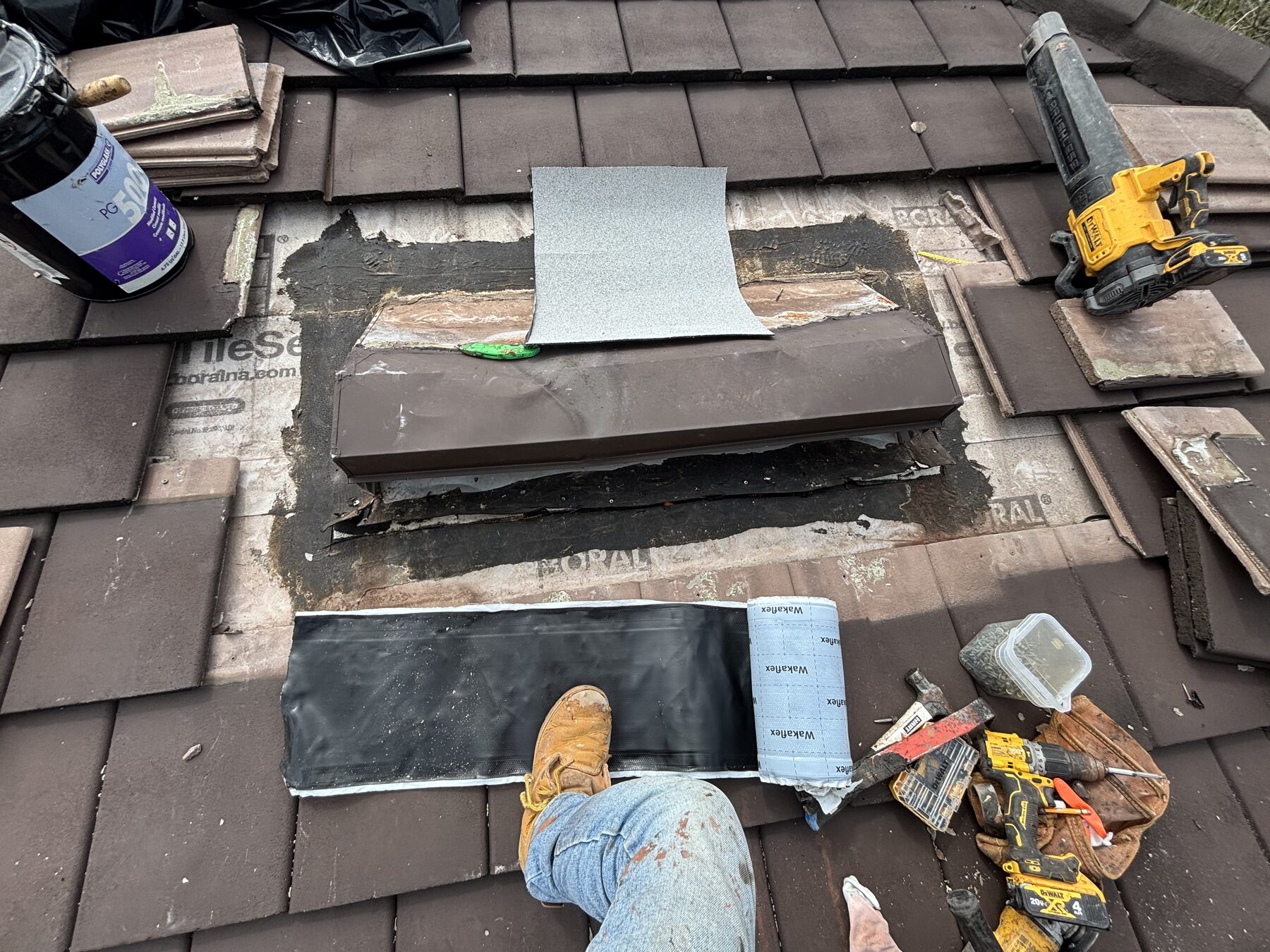
We are a roofing company writing about how to choose a roofing company, so read this with appropriate skepticism. That said, most of what follows is verifiable independently, which is the whole point. Good vetting is not about trusting the right company. It is about checking things that cannot be faked.
Verify the License Yourself, in Two Minutes
Florida requires roofing contractors to be licensed through the Department of Business and Professional Regulation, and licensure is publicly searchable.
Do not accept a number printed on a truck or a business card. Look it up. Confirm it is active, confirm it covers roofing, and confirm the name matches the company you are actually hiring. Working with an unqualified contractor in Florida exposes you to real problems: unpermitted work that surfaces during a future sale, no recourse if the work fails, and potential insurance complications.
Ask for a certificate of insurance as well, and confirm both general liability and workers compensation. If someone is injured on your property and there is no workers compensation coverage, that can become your problem.
Ask Who Is Actually Going to Do the Work
This is the question homeowners most often skip and it changes everything.
In Southwest Florida roofing, subcontracting is standard. The company that sells you the job frequently is not the company that performs it, and the crew may differ from job to job. That is not automatically bad, but it is something you should know, and it explains why quality varies so much within a single company's reviews.
Ask directly: will the person quoting this be on the roof, and if not, who will, and are they employees or subcontractors. Ask who to call if something is wrong afterward. A vague answer to that last question is informative.
For what it is worth, at C&C the answer is that Corey does the work himself and there are no subcontractors. That is the entire structure of the business rather than a marketing line.
Be Careful Who You Ask About Repair Versus Replacement
A company that only sells replacements has a structural incentive when it looks at your roof, and that incentive is not aligned with yours.
This is not an accusation of dishonesty. It is a description of how the economics work. A replacement is a five figure job. A repair is a fraction of that. When a borderline roof is evaluated by someone whose business model depends on replacements, the borderline calls tend to break one way.
If you are quoted a full replacement, get a second opinion from someone who does not sell them. If both parties agree you need one, you can proceed with real confidence.
The Red Flags
Pressure to sign immediately. Legitimate contractors are comfortable with you thinking about it. Urgency is a sales tool, and a genuine emergency is stabilized with a tarp rather than a signature.
Large up front deposits. Some deposit for materials is reasonable on a large job. A demand for most of the money before work begins is not.
No local address or no history in this market. Particularly relevant after a storm. If a company cannot show you work it did in Southwest Florida before the last hurricane, ask why.
Door to door after a storm. Not automatically disqualifying, but it warrants more scrutiny, not less.
A verbal estimate. Everything should be in writing, with the scope named specifically. "Repair roof leak" is not a scope.
Offering to cover your deductible. In Florida this is illegal and a company willing to break that law is telling you something about its other practices.
What a Good Estimate Contains
The specific diagnosis, meaning what failed and where, not a generic description. Photographs of the actual problem, since you cannot see the surface yourself. The scope of the repair, including whether underlayment or decking work is included. The price. The warranty terms on workmanship. And a clear statement of what happens if worse conditions are found once the area is opened up.
If an estimate is missing most of that, it is not really an estimate. It is a number.
Questions Worth Asking
- Are you licensed in Florida and can I have the number to verify?
- Do you carry general liability and workers compensation?
- Will you personally be doing this work, or a subcontractor?
- Does this scope require a permit, and who pulls it?
- What is the workmanship warranty and what voids it?
- What happens if you open it up and find something worse?
- Can I see photos of the problem before deciding?
Any competent contractor answers all seven without hesitation. Reluctance on any of them is your answer.